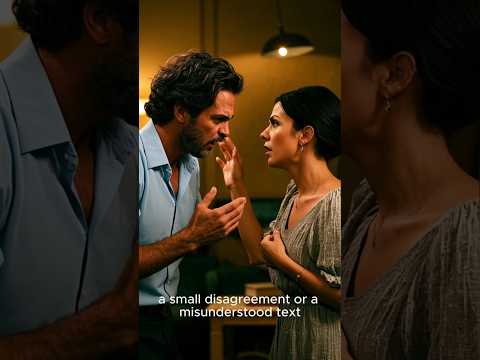
Loving someone with Borderline Personality Disorder (BPD) can feel like living inside a storm. One moment, the skies are clear — full of warmth, affection, and intensity. The next, thunder rolls in: anger, fear of abandonment, or emotional chaos.
For many partners, it feels like walking on eggshells, unsure when love will transform into conflict. And yet, the connection can also feel intoxicating, powerful, and almost impossible to leave behind.
This article explores what it feels like to love someone with BPD, why these relationships can be both deeply rewarding and incredibly painful, and how to heal — whether together or apart.
1. Understanding Borderline Personality Disorder (BPD)
BPD is a mental health condition characterized by:
-
Intense, rapidly shifting emotions.
-
Fear of abandonment.
-
Unstable self-image.
-
Impulsive or risky behavior.
-
Turbulent relationships.
People with BPD are not “bad” or “manipulative.” They are often carrying deep wounds from early life, including trauma, neglect, or invalidation. Their emotional intensity is not a choice — it is the expression of pain they don’t know how to regulate.
2. What It Feels Like to Love Someone With BPD
The Highs:
-
Passionate Connection: People with BPD can be deeply empathetic, affectionate, and creative. Their love often feels intense and all-consuming.
-
Moments of Joy: When things are good, the relationship may feel euphoric, as though you’ve finally found someone who understands you completely.
-
Shared Vulnerability: Their openness about fears and emotions can foster a sense of deep intimacy.
The Lows:
-
Emotional Rollercoaster: Mood swings can be extreme, shifting from affection to anger within minutes.
-
Walking on Eggshells: You may feel afraid to upset them, worried that a small disagreement will trigger rage or despair.
-
Fear of Abandonment: Their deep fear of rejection can lead to clinging, testing, or accusations that you don’t care enough.
-
Exhaustion: The constant intensity can leave you drained, confused, and questioning your own stability.
3. Why It Feels So Hard to Leave
Many people in relationships with partners who have BPD describe feeling “addicted” to the connection. This is partly because of intermittent reinforcement — alternating cycles of love and conflict create strong emotional bonds, similar to addiction pathways in the brain.
You may also hold on to the belief that if you just love them enough, things will get better. And while people with BPD absolutely can heal, the process requires therapy, time, and commitment — not just your love alone.
4. The Toll on Partners
Loving someone with BPD can lead to:
-
Anxiety and hypervigilance.
-
Loss of self-confidence.
-
Feeling responsible for their emotions.
-
Emotional burnout.
Sometimes partners begin to mirror the instability themselves, caught in cycles of conflict and reconciliation that feel impossible to break.
5. Healing Together: Is It Possible?
Yes, healing together is possible — but it requires both partners to commit.
For the partner with BPD:
-
Therapy (especially Dialectical Behavior Therapy, DBT): Helps build emotional regulation skills.
-
Self-awareness: Recognizing the impact of their behavior on the relationship.
-
Commitment to Growth: Willingness to face painful emotions without projecting them onto the partner.
For the non-BPD partner:
-
Clear Boundaries: Learning what is acceptable and what is not.
-
Self-Care: Prioritizing your mental health and not losing your identity in the relationship.
-
Support Systems: Therapy or support groups for partners of people with BPD.
Healing is possible when love is combined with accountability, professional help, and patience.
6. When Healing Apart Is the Healthier Choice
Sometimes, no matter how much you love someone, the relationship becomes too destructive. If your well-being is constantly compromised — if boundaries are ignored, emotional abuse occurs, or you feel unsafe — stepping away may be necessary.
Leaving does not mean you didn’t love them. It means you recognized that love cannot thrive in chaos without mutual responsibility.
7. Compassion Without Self-Sacrifice
It’s important to remember: people with BPD are not their disorder. They are human beings living with profound emotional pain. Compassion for them matters — but compassion should not come at the expense of your own safety and health.
The key is balance: caring for them without abandoning yourself.
8. Reclaiming Yourself and Healing
If you’ve loved someone with BPD, healing means:
-
Rebuilding trust in your own emotions.
-
Learning to set and maintain boundaries.
-
Restoring balance between giving and receiving in relationships.
-
Letting go of guilt for not being able to “fix” them.
Healing is not about forgetting them. It is about remembering yourself.
Final Thoughts
Loving someone with Borderline Personality Disorder is both beautiful and challenging. The passion and connection can be real, but so can the chaos and pain.
The truth is that love alone cannot heal BPD — therapy, self-awareness, and commitment are essential. Your role is not to be their savior, but to be yourself: whole, valued, and respected.
Whether you choose to heal together or apart, the path forward begins with compassion — for them, and just as importantly, for yourself.
Disclaimer
This article is for educational purposes only and does not constitute medical, psychological, or psychiatric advice. Please consult a licensed health professional for personal support.
#BPDRelationships, #BorderlinePersonalityDisorder, #LovingSomeoneWithBPD, #RelationshipHealing, #MentalHealthAwareness, #EmotionalHealing, #BoundariesMatter, #PsychologyInsights, #SelfCompassion, #PsychologicalNet
Comments
Post a Comment