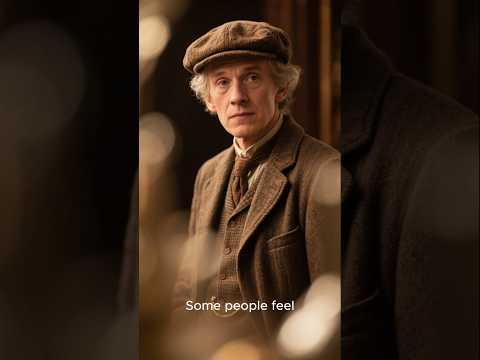
Some people reach a moment in life where they look at their age and realize something doesn’t quite match. Their body says one number, but their inner world has traveled far beyond it. They feel older—sometimes much older—than their actual years. Their energy, worldview, emotional responses, and even the way they carry themselves seem more aligned with someone who has lived twice as long.
What makes this happen? Why do some people feel decades older inside, even when they are biologically young?
The answer is rarely simple. Emotional aging is deeply personal, shaped by experience, stress, responsibility, and psychological patterns that accumulate over time. Unlike physical aging, which follows a predictable biological rhythm, emotional aging is uneven, unpredictable, and sensitive to the realities each person faces.
This article explores the complex psychological factors that make some people feel older than their age, the consequences of carrying emotional years prematurely, and how individuals can begin to reclaim a sense of inner youthfulness.
1. The Weight of Early Responsibility
One of the strongest predictors of feeling older than one's age is being required to grow up too soon. Many people, especially in emotionally or financially unstable homes, step into adult roles long before they are ready.
Some children become the mediator, calming fights or soothing distressed family members.
Others become the caretaker, looking after siblings, parents, or grandparents.
Some become the problem-solver, figuring out bills, school issues, or emergencies.
In psychology, this is known as parentification—a role reversal where the child takes on duties that belong to adults.
Emotionally, this accelerates development. The child learns responsibility, vigilance, and self-control earlier than peers. But this “growth” comes at a cost. Instead of enjoying a carefree childhood, they carry fears, plans, and worries that age the mind prematurely.
By adulthood, this pattern becomes ingrained. Such individuals often:
-
Take on too much pressure
-
Feel responsible for everyone
-
Expect themselves to handle everything alone
-
Struggle to relax or play
-
Feel guilty when they rest
This chronic over-functioning gradually makes a person feel older—not because of time, but because of emotional load.
2. Childhood Stress and Emotional Survival Mode
The nervous system is shaped early. If childhood includes chaos, fear, neglect, or instability, the body learns to live in survival mode. And survival mode—psychologically and neurologically—ages people from the inside.
The brain becomes hyper-alert, constantly scanning for danger. Muscles stay tense. Emotions stay restrained. Sleep becomes shallow. Small problems feel like big threats.
This level of constant vigilance is exhausting.
A child living in a stressful environment may not know joy, spontaneity, or safety. Their nervous system adapts by maturing too fast. This is why some adults, even in their 20s or 30s, describe themselves as:
-
“Mentally tired”
-
“Emotionally burnt out”
-
“Old on the inside”
-
“Out of energy”
Their bodies are young, but their emotional resilience has been strained for years.
3. Trauma and the Compression of Emotional Time
Trauma—whether emotional, physical, relational, or psychological—compresses time. A single traumatic event can feel like living a hundred emotional years all at once. Trauma forces the mind to work overtime:
-
Processing pain
-
Preventing recurrence
-
Maintaining safety
-
Healing physically and emotionally
-
Rebuilding trust
When trauma happens early in life, the cost is even higher. Children lack the cognitive tools to make sense of it. Instead, they adapt by becoming older emotionally—faster, stronger, more guarded, and often more weary.
Even adults who face trauma later in life feel a sudden leap in emotional age. Time starts to feel heavier. Sleep becomes more fragile. Small joys feel distant. Trauma survivors often say:
“I feel like I’m 80 years old inside.”
Or, “I lost years of my life in that moment.”
Trauma distorts the inner clock. Healing is possible, but the emotional shift can feel permanent.
4. Chronic Illness and the Burden of Daily Management
Physical illness, chronic pain, or long-term medical conditions change a person’s relationship with life. Every day becomes an obstacle course—managing symptoms, appointments, medications, side effects, and uncertainty.
This constant physical burden naturally ages the emotional world. Tasks that once felt simple now require planning and effort. The body’s limitations slow the rhythm of life, and the mind often follows.
Even mental health conditions—like anxiety, depression, or PTSD—cause a similar effect. They drain energy, motivation, and spontaneity, replacing them with heaviness, fatigue, and emotional caution.
People living with chronic conditions often describe feeling older because every day asks more from them than from others.
5. Emotional Suppression and the Cost of Carrying Everything Inside
Many people feel older not because of what happened to them, but because of what they hold inside.
Suppressing emotions is one of the greatest accelerators of emotional aging.
When someone never cries, never shares, never expresses vulnerability, and never releases their internal pressure, emotions accumulate like layers of sediment. Each layer adds weight.
Over the years, suppressed feelings become:
-
Muscle tension
-
Anxiety
-
Fatigue
-
Irritability
-
Emotional numbness
Carrying unspoken emotions is like carrying invisible years. People may look young on the outside, but inside they feel exhausted.
6. Lack of Joy, Play, and Emotional Nourishment
Youthfulness is not just biological—it's emotional.
People who feel older often lack:
-
Playfulness
-
Creativity
-
Social connection
-
Relaxation
-
Spontaneity
-
Laughter
These aren’t luxuries; they are psychological nutrients. Humans need joy for emotional renewal. Without it, emotional aging accelerates, just as physical aging accelerates without proper sleep, nutrition, and rest.
Adults who live without joy often say:
“I can’t remember the last time I felt light.”
“I don’t know how to have fun anymore.”
This absence ages the soul.
7. Being “The Strong One” for Too Long
Some people become the emotional foundation for everyone around them. Friends, family, colleagues—they all come to this person for advice, strength, and stability.
Being “the strong one” feels admirable, but it is emotionally expensive.
It requires suppressing personal needs, staying calm under pressure, and constantly giving more than receiving. Over time, the emotional cost accumulates, creating a deep sense of inner fatigue.
People in this role often feel older because they constantly carry others’ burdens, not just their own.
8. The Emotional Consequences of Feeling Older
Feeling older than your age is not just an internal sensation—it shapes behavior, decisions, and relationships.
People who feel older often:
-
Take fewer risks
-
Avoid new experiences
-
Lose spontaneity
-
Struggle to rest or enjoy life
-
Feel disconnected from peers
-
Experience reduced motivation
-
Become more cautious or withdrawn
-
Feel “done” with life far too early
This emotional heaviness can affect work, mental health, relationships, and identity.
However, understanding the root causes can help reverse the process.
9. Can You Feel Younger Again? The Psychology of Reclaiming Inner Youth
Emotional age is not fixed. With the right conditions, healing, and lifestyle changes, people can feel lighter, freer, and younger emotionally.
Here are pathways that help:
a. Naming your emotional story
Understanding why you feel older is the first step. Awareness reduces shame and increases self-compassion.
b. Allowing yourself to rest
Rest is not laziness—it's recovery. Without rest, emotional youth is impossible.
c. Releasing suppressed emotions
Talking, journaling, therapy, creativity, crying, and honest conversations release internal pressure.
d. Reintroducing joy and play
Play is medicine. Even small moments of fun signal the nervous system to relax.
e. Setting boundaries
Not every burden belongs to you. Saying no is an act of emotional preservation.
f. Healing trauma
With professional support, trauma can stop aging the mind prematurely.
g. Connecting with people who restore you
Healthy relationships lighten emotional age. Supportive humans make you feel young again.
h. Letting go of roles you outgrew
You don’t have to be the caretaker, the strong one, or the peacekeeper forever.
10. Feeling Older Is Not Weakness — It’s Evidence of Survival
While feeling older can be painful, it also reflects resilience. People who feel prematurely aged have often lived through more, carried more, and endured more than most.
Their emotional age is not a flaw—it is a story of survival.
But survival doesn’t have to be the end of the story.
With the right support, people can reclaim softness, joy, and youthful energy. Emotional age can shift. Healing can happen. Life can feel lighter again.
And sometimes, feeling older simply means you have wisdom others don’t.
🔗 Linktree: https://linktr.ee/Psychological.net
Disclaimer: This article is for educational purposes only and does not constitute medical, psychological, or psychiatric advice. Please consult a licensed health professional for personal support.
Comments
Post a Comment